Sharp focus on red meat future in 2026
The future of Scottish red meat production will move firmly to the centre of the national political debate in 2026 as voters choose the next Scottish Government against a backdrop of repeated missed opportunities to unlock sector growth, according to the Scottish Association of Meat Wholesalers (SAMW).
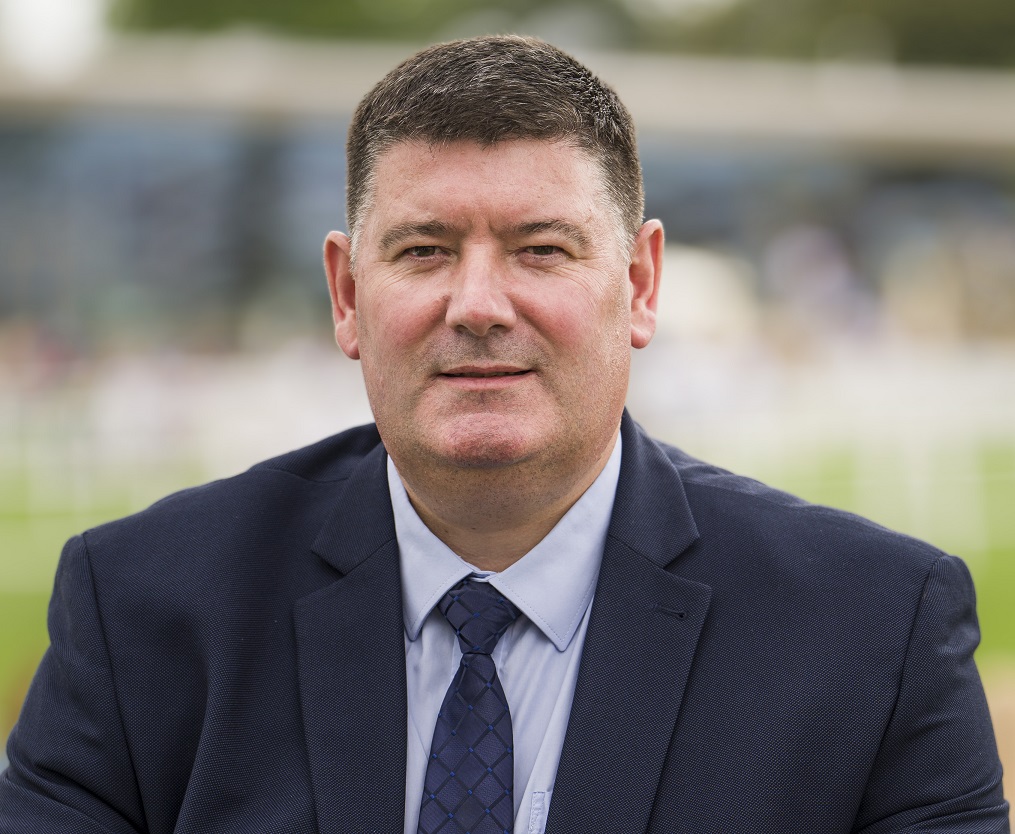
Alan Brown
“While there have been some positive developments over the past year, they fall well short of providing the clear, pro-growth signals that farmers and processors have consistently sought from both Holyrood and Westminster,” said SAMW President Alan Brown. “Stability alone is not enough for an industry with the market potential we have.”
SAMW welcomed the Scottish Government’s effective rejection of the Climate Change Committee’s targets to reduce livestock numbers.
“That decision provides a welcome foundation to build livestock stability in Scotland,” said Brown. “But stability is the baseline, not the ambition. Our industry has clear domestic and international growth opportunities, and government should be actively supporting an expansion of Scottish livestock numbers to meet that demand.
“Despite repeated engagement, a reluctance to back growth is not just frustrating in policy terms — it has real and damaging consequences for investment, confidence and business viability.”
Those consequences are already being felt. SAMW lost another member business in 2025, continuing a worrying decline in processing capacity across the red meat sector.
“This is happening despite our members generating more than £1 billion in annual turnover and directly employing over 3,000 people across Scotland,” said Brown. “With the right political backing, we could be doing significantly more. Without it, the risk is a rapid and damaging contraction in jobs, throughput, and economic contribution.”
For these reasons, SAMW says the future of Scottish red meat production will be a major rural and economic issue in the run-up to the Scottish Parliament election on 7 May 2026.
“After spending much of 2025 in working groups formed on the basis of partnerships that delivered discussion rather than decisions, it is clear that government must now change gear and move from talk to action,” said Brown. “We need bold leadership that backs growth, removes barriers, and modernises how government works with our sector. Only then can we unlock the additional output, jobs and turnover that are within reach.”
Regulatory costs, particularly those linked to meat inspection, remain a significant pressure on the sector, although SAMW acknowledged some limited progress during 2025.
“We strongly welcome Food Standards Scotland’s decision to establish a technical group, with industry involvement, to explore new approaches to ante-mortem inspection,” said Brown. “That shows a willingness to think differently and to modernise.
“However, that same mindset must now be applied to inspection charges. We cannot continue to face annual increases under a system that is neither innovative nor fit for the future. Processes and procedures remain rooted in the past, which is simply incompatible with a modern, efficient, and competitive red meat sector.”
The strongest underlying positive, however, remains demand for red meat.
“Demand for high-quality protein is strong in the UK and globally,” said Brown. “Scotland produces some of the best red meat in the world. The opportunity for growth is real and immediate. What we need now is for governments to look favourably on our sector, work with us to modernise regulation, unlock investment, and allow Scottish red meat to fulfil its full potential in 2026 and beyond.”