T. 07768 654955 E. scott.walker@scconsultancy.uk
Scotland’s meat wholesalers are upbeat about business prospects in 2017 but have warned that gaining access to the opportunities on offer next year will depend on politicians and regulators delivering favourable conditions for the industry to prosper.
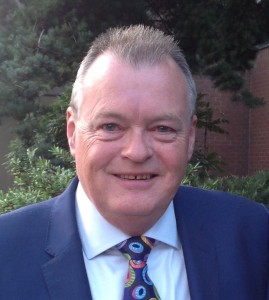
“It’s no surprise that Brexit will be pretty much top of our agenda in 2017 with the need for clear assurance from Government on future labour requirements and the framing of post-Brexit regulations which ease the current burdens on businesses rather than add to them,” said Allan Jess, president of the Scottish Association of Meat Wholesalers (SAMW), adding that if the Government gets it wrong on either of these points, the industry will suffer.
 “Brexit raises several issues for our members, of course, with the need for continued freedom to employ the EU workers on which many meat sector businesses rely being absolutely critical. In this context, we’re concerned that positive Government signals regarding seasonal labour arrangements, presumably aimed at the fruit and veg sectors, suggests that meat plants, many with significant numbers of excellent EU workers at present, could be left out of the picture.
“The reality is that SAMW member companies have not been turning away huge numbers of local applicants for meat plant work, partly because the domestic skill base isn’t sufficiently geared towards the butchery skills which our industry requires. That means that if the government take a tough stance on our present and future worker requirements, it will also have to invest in new education and skills training to give us the UK-based people we need. Turning the worker supply tap off without turning the skills tap on won’t work.
“We’re also troubled by suggestions that post-Brexit Britain will protect itself against ‘inferior’ imports by raising domestic standards above levels achieved in other countries. This is naïve stance which fails to appreciate the extent to which product prices drive the mass market for food. As an industry and as a nation, we already apply extremely high standards to our food production, because we believe in doing things correctly. Going even further, however, beyond what is either reasonable or necessary, will merely add costs of our industry and hand sales to cheaper alternatives.
“Having said all that, Brexit is definitely an opportunity for us, provided the UK’s negotiators are successful in creating a new and positive platform for business. We will therefore be pressing the Government very hard in 2017 to grasp the opportunities on offer, rather than succumb to the pressures.”
Mr Jess also commented that, with so much focus being placed on Brexit, there is a danger that some other important issues might not be given the attention they deserve next year and could possibly be over-looked completely.
“While the Brexit conclusion will clearly shape all our futures, we can’t afford to let other opportunities, issues and concerns slide during 2017,” he said. “At very best, the triggering of Article 50 will launch the country into 18 months of hectic negotiations. At worst, we could be looking at a lot longer than that.
“In addition, whatever the final Brexit deal may be, we have an industry to run, businesses to develop and objectives to meet. As such, SAMW member companies will be looking to have advanced significantly by the time we get to the end of the Article 50 process and whatever transitional process may or may not follow. Our members have no attention of standing still while the politicians talk.
“For that reason, it is crucial that 2017 also sees Scotland’s livestock being granted BSE negligible risk status, based on the solid fact that the last confirmed BSE case in Scotland involved an animal born in 2002. This contrasts with the last confirmed BSE case in Great Britain having involved an animal born in 2009.
“We also want to see the regulatory processes surrounding our industry being approached on the collaborative, partnership basis as was envisaged when the Food Standards Agency was replaced by Food Standards Scotland. As an industry we are 100% in support of professional, reliable and traceable processing standards, being one of the most highly-regulated industries in the UK and certainly in the EU.
“It would be helpful in 2017, however, if member companies could be assisted in their commitment to maintain their high standards rather than being constantly frustrated by no-value/no-impact box-ticking operations which may have the appearance of protecting the public, while actually delivering precious little. In truth, it’s our members who protect consumers as the countless audits carried out on members’ plants by the UK’s retailers constantly prove.”
Mr Jess also drew attention to the need for meat businesses to see their costs contained in 2017.
“Member businesses focus constantly on the need to be lean and efficient,” he said. “All too often, however, the gains made through investment in innovation and improvements are swept away by cost rises elsewhere.
“Disposing of processing by-products, for example, continues to impose a heavy burden on business, even though more and more items are now able to be recycled through a steadily expanding range of processes. It would be good if 2017 was the year when a bit of that recycled income found its way back to our members. They certainly deserve it.”
Six different charities shared a total of £8,250 in gift support from the Scottish Association of Meat Wholesalers (SAMW) in 2016.
The funds were raised during a charity auction at the Association’s 2016 conference and dinner and were presented to representatives of the organisations by SAMW president, Allan Jess, and executive manager, Ian Anderson.
“We’re pleased to have been able to continue our annual tradition of giving support to a range of charities which are selected by our own members, often because of help they’ve seen given to a family member or business colleague,” said Mr Jess.

The presentation to the three main charities supported in 2016 featured (left to right) Bill Fenwick, British Polio Fellowship; Georgina Hood, Scotland’s Charity Air Ambulance; Allan Jess, SAMW President; Gayle Stephen, Urological Cancer Charity, and Ian Anderson, SAMW Executive Manager. (Presentations to the other three charities were made separately by local SAMW members).
“The work being done by each of the charities we were able to support this year is extremely valuable and we’re grateful to those whose conference donations enabled us to help fund the six which were selected this year.”
The three main charities to receive SAMW support in 2016 were British Polio Fellowship (£2,000), Scotland’s Charity Air Ambulance (£2,000) and Urological Cancer Charity (£2,000). A further £2,250 was shared between UNICEF, Alzheimers Research UK and Hillhouse children’s charity in Ayrshire.
Scotland’s meat wholesalers are looking to 2016 for an improvement in end product prices and an upgrading of the way in which regulatory burdens are applied to the industry by government.
“The past 12 months have been tough on prices and challenging in relation to new regulations, a combination which has added to business pressures for member companies,” said Alan McNaughton, SAMW president.
“Thankfully, product quality from Scotland remains strong, in the main, underpinning the Scotch premium, without which the pressures would have been even more severe in 2015. The healthy, largely assured and beef-bred production of meat from Scottish farms remains central to our industry’s hallmark for quality and must be guarded and protected by us all.
“It is clearly crucial that we continue to pay close attention to quality issues and market demands in 2016, factors which came to the surface twice during 2015 by way of a farming/processing debate over livestock spec’ requirements and discussions surrounding livestock movements.
“In each case, I believe we established good mutual understanding of how and why spec’ and movement demands have an impact on end product values. Frankly, once retailers lay down an agreed set of requirements we either meet them as producers and processors or we give up and do something else.
“Senior SAMW representatives took part in some recent farmers’ meetings to ‘freshen’ the spec’ message although, in truth, spec’ demands haven’t changed that much over the years. Since those meetings, we have seen some improvements but are still frustrated when cattle which could so easily have been better prepared, still arrive to be processed as they are, non-spec’ factors included. We do, however, recognise that our members have a part to play in encouraging Scottish producers in this respect. It is inevitable that price penalties will be more targeted if out-of-spec’ cattle continue to be presented at abattoirs.
“Ultimately, it’s an ‘effort and income’ issue and while some producers are successfully hitting both targets, there are some who aren’t.
“On the movement debate, some grey areas remain, largely concerning what actually constitutes a commercial farmer-to-farmer move, as opposed to a more contained linked-holding transfer. Some retailers have higher demands than others on this, of course. Once again, the crucial point concerns how and when the bottom line is affected. At that stage, no amount of discussion will change a retail buyers’ decision.
“With 2015 having brought the introduction of Food Standards Scotland (FSS), there has been an improvement in some key areas of meat sector management. Not all issues have been easy to address, however, with the need for clear plant level communication remaining a priority issue as we move into 2016. Good plant level communication is crucial for processors and regulators alike as we seek together to secure the best outcome for the whole meat chain, especially consumers.
“FSS was also dealt a very poor hand by government in 2015 as regards the way in which EU legislation concerning the introduction of worker certificates of competence (CoC) should be applied to the UK meat sector. By deciding to blindly follow the EU letter of the law, without sufficient thought to how that might affect the practical workings of our industry, the UK’s implementation of CoCs left a lot to be desired.
“SAMW members were subsequently frustrated by the need for established and experienced plant workers to have to secure the newly introduced certificates, merely to prove they could keep doing their job.
“We have no problem whatsoever with plants, people and processes being properly structured and managed but the CoC issue was very badly handled. As a result, the CoC process grew arms and legs as the year progressed, driven on by some excessively poor advice from training bodies in the south of England, which were clearly not moderated by government. All we’re getting as a result is increased cost, not increased competence.
“As we move into 2016, therefore, it’s very much with the hope that prices will deliver a fair return for all along the supply chain; spec’ delivery will become consistently better and that those who are responsible for implementing UK and EU legislation will take time to look at how good our industry already is, and how it operates, rather than seeking the next ‘gravy train’ to keep themselves in work.”
Five major charities shared a total of £13,000 in gift support from the Scottish Association of Meat Wholesalers (SAMW).
The funds were raised during a charity auction at the Association’s 2015 conference and dinner and were presented to representatives of the organisations by SAMW president, Alan McNaughton, and executive manager, Ian Anderson.
“We’re delighted to have been able to distribute a record amount to these extremely valuable charities as a result of the generous contributions made by association members and guests,” said Mr McNaughton.
“In each case, the work being done by these charities, often driven by hard-working volunteers, is crucial to the health and well-being of people throughout Scotland and we’re grateful to be able to play a small part in this.”
The five charities to receive SAMW support are Quarriers, The Sandpiper Trust, Macmillan Cancer Support, TCC Lodge and Beatson Cancer Charity.

(Left to right) Dr Rosalie Wilkie, TCCL Lodge; Ian Anderson; Fiona Scott, Quarriers; Penny Dickson, The Sandpiper Trust; Alan McNaughton, and Jayne Forbes, Macmillan. (The presentation to Beatson was made separately).
Quarriers (£2,500)
Quarriers is one of Scotland’s largest social care charities, providing practical care and support for vulnerable children, adults and families who face extremely challenging circumstances. Operating from its headquarters at Quarriers Village, Bridge of Weir, Renfrewshire, the charity “challenges poverty and inequality of opportunity to bring about positive changes in people’s lives”.
The charity operates throughout Scotland, offering “quality services to transform lives every day”. This includes providing services for adults with a disability, families and children, people with epilepsy and young adults, particularly those who are homeless.
Using funds raised during the 2014 Ryder Cup, for example, Quarriers is now able to offer a “coaching for life” training programme for homeless young adults to help them retake control of their life, getting a foothold on the housing and employment ladder.
Sandpiper Trust (£3,500)
Founded 14 years ago by a family after the loss in an accident of their young son and nephew, the aim of the Sandpiper Trust is to help save lives in Scotland. They do this by improving immediate care especially in the remote and rural areas, through the provision of appropriate standardised and uniform medical equipment, known as Sandpiper Bags, for use by specially trained GPs, community nurses, paramedics and A&E Consultants, all of whom operate on a voluntary basis. There are currently 910 Sandpiper bags in use in Scotland and last year volunteers were called to over 3,000 emergencies in the North of Scotland alone. Later this year the Sandpiper Trust will start their most ambitious project to date with Sandpiper Wildcat, to reduce deaths from cardiac arrest in North East Scotland. They will recruit, train and equip 400 volunteer cardiac responders across the North East of Scotland to save at least 50 lives a year from cardiac arrest.
Macmillan Cancer Support (£2,500)
Macmillan Cancer Support believes that no one should face cancer alone. “So when you need someone to turn to, we’re here,” they say. “Right from the moment you’re diagnosed, through your treatment and beyond, we’re a constant source of support, giving you the energy and inspiration to help you take back control of your life.”
Last year, the charity’s supporters raised £215.2 million for Macmillan, 15% more than the year before. Over 98% of the charity’s income comes from voluntary sources, however, so this “amazing support” is absolutely vital.
TCCL Lodge (£2,500)
TCCL has been supporting Tayside, Angus, Perthshire and North East Fife families, affected by childhood cancer and leukaemia, since the mid-1990s.
Driven by a group of dedicated parents and other volunteers, TCCL includes many who have experienced the pain of having a child with cancer and know first-hand the support requirements of a family during diagnosis, treatment, remission and, when treatment isn’t successful, bereavement.
TCCL Lodge, which is the focus of SAMW’s gift, involves the setting up of a holiday house in St Andrews for use by children who have cancer and leukaemia. The house, which has a creation and operating budget of £500,000, is due to open to guests before the end of 2015.
Beatson Cancer Charity (£2,000)
Beatson Cancer Charity is determined to beat cancer and is committed to securing significant funding to support and enhance the treatment, care and wellbeing of current, former and future cancer patients and their families.
Located at the Beatson West of Scotland Cancer Centre in Glasgow, the charity provides a comprehensive range of wellbeing, specialist and complementary therapy services delivered by charity staff and volunteers.
The charity provides funding to various individuals and institutions involved in the care and investigation of cancer, including the NHS. Key areas of funding include specialist staff resources, innovative service developments, enhanced medical equipment, research projects and staff development.
SAMW issued a pre-Highland Show message to livestock farmers to re-sharpen their focus on making sure cattle are finished for sale as perfectly ‘in spec’ as can possibly be achieved.
“The livestock on display at the Highland are always a tremendous example of the quality which is available within Scotland and the cattle finishing and presentation skills of which so many producers are capable,” said SAMW president, Alan McNaughton. “Unfortunately, we don’t always see the same quality finish and presentation skills being applied to the stock arriving at abattoirs, which is a persistent frustration for our member businesses and has costly implications for all concerned, farmers included.
“The Scotch premium remains an important part of our business but you have to earn the right to that premium, especially when cattle prices are rising. We want cattle to be between 280 and 380 Kilos, and to satisfy the relevant fat and age criteria. Farmers who don’t deliver according to those requirements will obviously not be paid as much as those who consistently provide ‘in spec’ stock.
“The real problem goes deeper than that, however, inflicting ‘knock-on’ trading negatives for the whole industry by reducing the total volume of premium product our members can offer to the UK, EU and global market. That, in turn, makes us a smaller player in the international marketplace than we should be, especially when you see the stock on show at the Highland.
“We can definitely punch above our weight on quality in the global marketplace but, at present, we’re punching well below our weight on quantity, with persistent specification problems adding to the industry’s pressures.”
Scotland’s meat wholesalers have warned that whatever decision is reached on the UK’s future relationship with the European Union, it must not be allowed to damage export links for Scotch beef and lamb, which are currently worth around £75 million to the Scottish meat and livestock industry.
Commenting during a visit to the Royal Highland Show by EU farm commissioner, Phil Hogan, SAMW highlighted the hard work done by its member companies to develop exports across Europe in recent years, adding that close attention needs to be paid now to ensuring such efforts aren’t “wasted” in the years ahead.
“As a membership organisation, we are obviously neutral concerning the promised referendum on the UK’s membership of the EU,” said SAMW president, Alan McNaughton. “At the same time, however, we have very strong views on how the red meat sector may be affected by whichever route is chosen for the UK in the future.
“In 2014, for example, an estimated 98% of all Scottish beef and lamb exports went to Europe, at a gross value of about £75m. That is equivalent to about 9% of the sector’s turnover. This trade is particularly important for sheepmeat, accounting for more than a quarter of ex-abattoir production. The trade is less significant for beef but is nonetheless important in terms of market diversification.
“In addition, many of our member companies have been working hard and investing heavily in recent years to further develop exports to the EU. This effort must not be wasted.
“The EU is obviously also well advanced in negotiating the Transatlantic Trade and Investment Partnership with the US, a process which comes on top of the current clearing of practical standards for UK beef exports to start flowing back into the US. Here again, it is vital that whatever future route the UK takes in relation to the EU, our members would not want to see export opportunities being lost.”
SAMW has welcomed a report from Quality Meat Scotland (QMS) of a significant increase in membership applications for the organisation’s quality assurance scheme.
“The announcement by QMS that 160 new members have applied to join its quality assurance scheme is excellent news for the whole industry, potentially cutting a serious point of ‘wastage’ concerning Scotland’s livestock production,” said Ian Anderson, SAMW’s Executive Manager.
“Some SAMW member companies have been writing to any farmers who deliver stock for slaughter without the necessary assurance backing, pointing out how much they are losing in income. These are often good quality animals, finished in Scotland but unable to be sold under any of the quality assured Scotch brands. Members have pointed out that the lack of the necessary assurance is a complete waste of precious resources and it is good that the message appears to be getting through.”
The Association’s response to the upturn in QMS recruitment follows a warning issued by Association President, Alan McNaughton, during his 2015 conference address in Glasgow on April 18, when he said: “Surely we have reached the point in the development of farm assurance in Scotland, where everyone who produces livestock for a living needs to have a relevant assured status. Somewhere between 5 and 8% of good Scottish beef is currently being lost as a premium branded product, a factor which is likely to cost the producers involved a serious amount of money. At the same time, processors are having to turn down Scotch branded business, not because the product isn’t good enough, but because the necessary assurance is missing. What a waste.”
T: 07768 654955 E: scott.walker@scconsultancy.uk
© samw.org.uk - All rights reserved - Scottish Association of Meat Wholesalers | Privacy Policy